Maintenant 2026 · An interview with Rafaela Mascaro
Publish on 17 September 2026
- Catégories
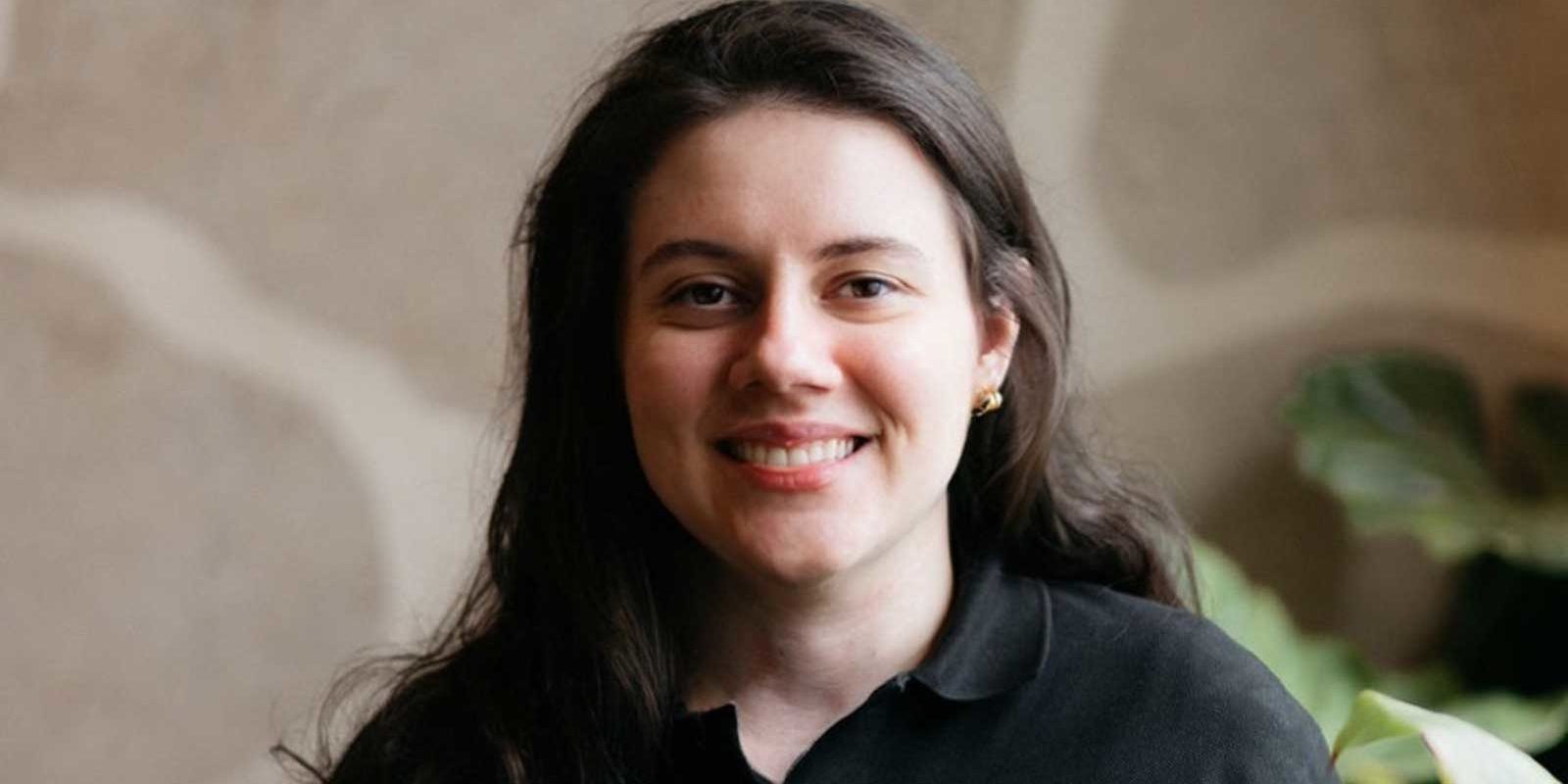
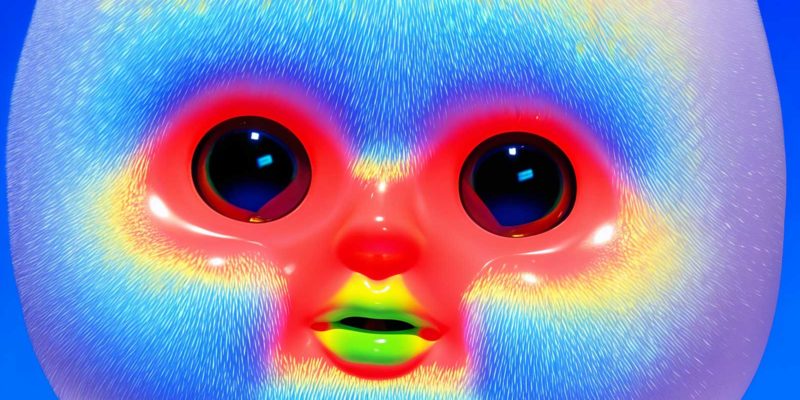
Rafaela Mascaro, a Brazilian artist and artistic director based in São Paulo, creates works that straddle the boundaries of design, digital art, animated film and speculative fiction. She has designed the visual identity for the 25th edition of the Maintenant festival with her series entitled Now Bodies.
Human behaviour as a source of inspiration
I’m fascinated by human behavior, social dynamics, psychology, internet culture, science fiction, philosophy, dreams, and emerging technologies. I often draw inspiration from everyday observations, small moments of connection, contradiction, vulnerability, or absurdity that reveal something universal about being human. Visually, I’m influenced by early digital aesthetics, graphic design systems, contemporary art, children’s toys, public spaces, architecture, and the optimistic visions of the future that appeared throughout the twentieth century. Mainly artists such as Matisse, David Hockney, Rothko, Willem de Kooning and Joan Mitchell.
An artistic practice that straddles humour and uncanny strangeness
My work combines digital illustration, 3D rendering, animation, graphic design, and emerging technologies such as AI to create surreal visual worlds inhabited by recurring characters and symbolic objects.
I’m interested in creating images that feel simultaneously playful and unsettling—works that invite people in through humor, color, and simplicity, while opening space for deeper reflections about loneliness, belonging, consumer culture, identity, technology, and the future.
Many of my pieces function as visual metaphors. Rather than providing direct answers, they create moments of ambiguity where viewers can project their own experiences and interpretations.
My work has been exhibited internationally, including in Europe, United States and Australia, and continues to expand across digital, physical, and interactive formats.
Behind the scenes of the creative process
My process usually begins collecting ideas, observations, phrases, emotions, articles, conversations, and visual references that resonate with me. From there, I start exploring concepts through sketches, writing, and experimentation with different tools and technologies.
I often use artificial intelligence as part of the ideation and concept development phase, allowing me to rapidly explore unexpected visual directions. Once a concept feels meaningful, I move into a more deliberate phase of construction using 3D software, graphic design, animation, and image-making techniques.
The final work is often the result of balancing intuition and structure, allowing room for accidents, surprises, and play while maintaining a clear conceptual foundation.
The story of the Gang Friends
The Gang Friends are a recurring cast of characters that inhabit many of my artworks and animations.
They began as simple figures, but over time they evolved into a visual language of their own. Each character has a distinct personality, appearance, and emotional presence, yet they remain intentionally open-ended. They can be interpreted as individuals, communities, memories, emotions, or fragments of ourselves.
Because they are simplified and universal, viewers often recognize themselves, or people they know, in them.
The Gang Friends have become a way for me to tell stories about human relationships without relying on specific identities, cultures, or narratives.
A range of characters to tackle complex issues
To me, the Gang Friends represent humanity in its most vulnerable and collective form.
They embody the desire to belong, to connect, to be seen, and to find meaning alongside others. They celebrate individuality while acknowledging that we are all part of something larger than ourselves.
Through them, I can explore complex subjects: loneliness, friendship, conformity, love, technology, community, fear, hope, and transformation. In a way that remains accessible, playful, and optimistic.
At their core, the Gang Friends are a reminder that despite our differences, we share many of the same emotions, struggles, and dreams. They are an invitation to imagine a world where curiosity, empathy, and connection matter more than division.
Last news